
Guide
AI Image to Video Generator: How It Works and When to Use It
An AI image to video generator turns a still frame into a short moving clip. Instead of building a timeline by hand, you provide one image and a direction prompt, and the model predicts realistic motion.
Ready to try it? Choose a photo-to-video workflow with motion ideas and a direct path to the creator.
How generation works
Most systems analyze subject depth, pose, and scene structure before creating frame-by-frame motion. The model then adds camera movement, micro-expression shifts, and detail interpolation while preserving the original identity of people in the photo.
Best prompt structure
Clear prompts perform better than long prompts. Mention subject motion, camera move, and mood in one short line. For example: gentle smile, slight push-in camera, warm cinematic tone.
Where it helps most
This approach is popular for tribute films, social clips, family memory edits, and product storytelling. It is fast when you need visual motion but do not have source footage.
Create your own clip
Use these prompt patterns and workflows with your own photos, then generate a polished video in minutes.
More guides to read
Keep going with adjacent topics, practical workflows, and useful variations on the same kind of project.
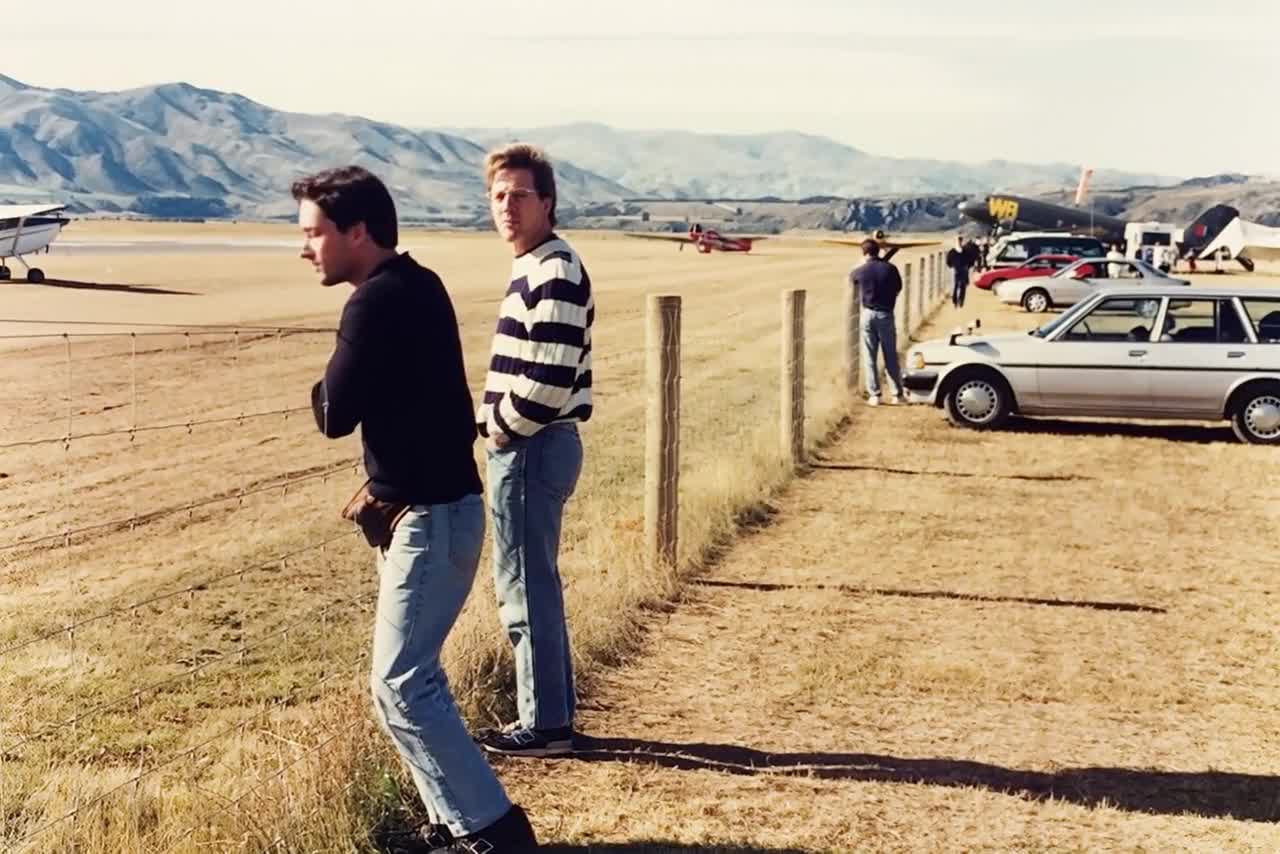
travel photo to video
Travel Photo to Video: Build Destination Stories from Stills
Travel photo to video guide for creators building destination recaps and itinerary storytelling.
Read guide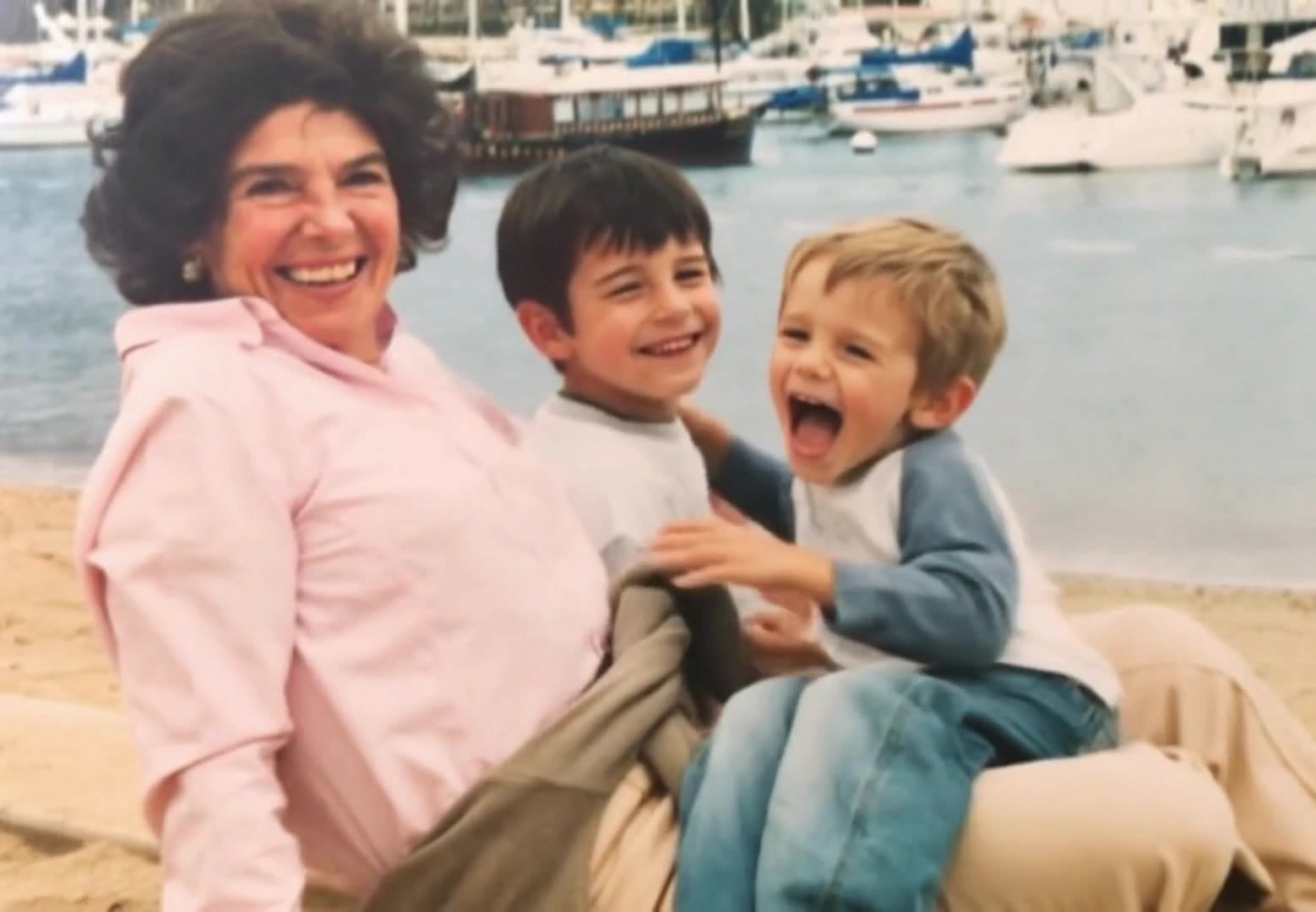
animate old photo
Animate Old Photo: Best Workflow for a Single Restored Portrait
Learn how to animate an old photo from one restored portrait, with prompt ideas, cleanup steps, and realistic motion settings.
Read guidecurrent trends in image animation technology
Current Trends in Image Animation Technology (2026)
Explore current trends and recent advancements in image and photo animation AI, from native audio to first-and-last-frame control.
Read guide