
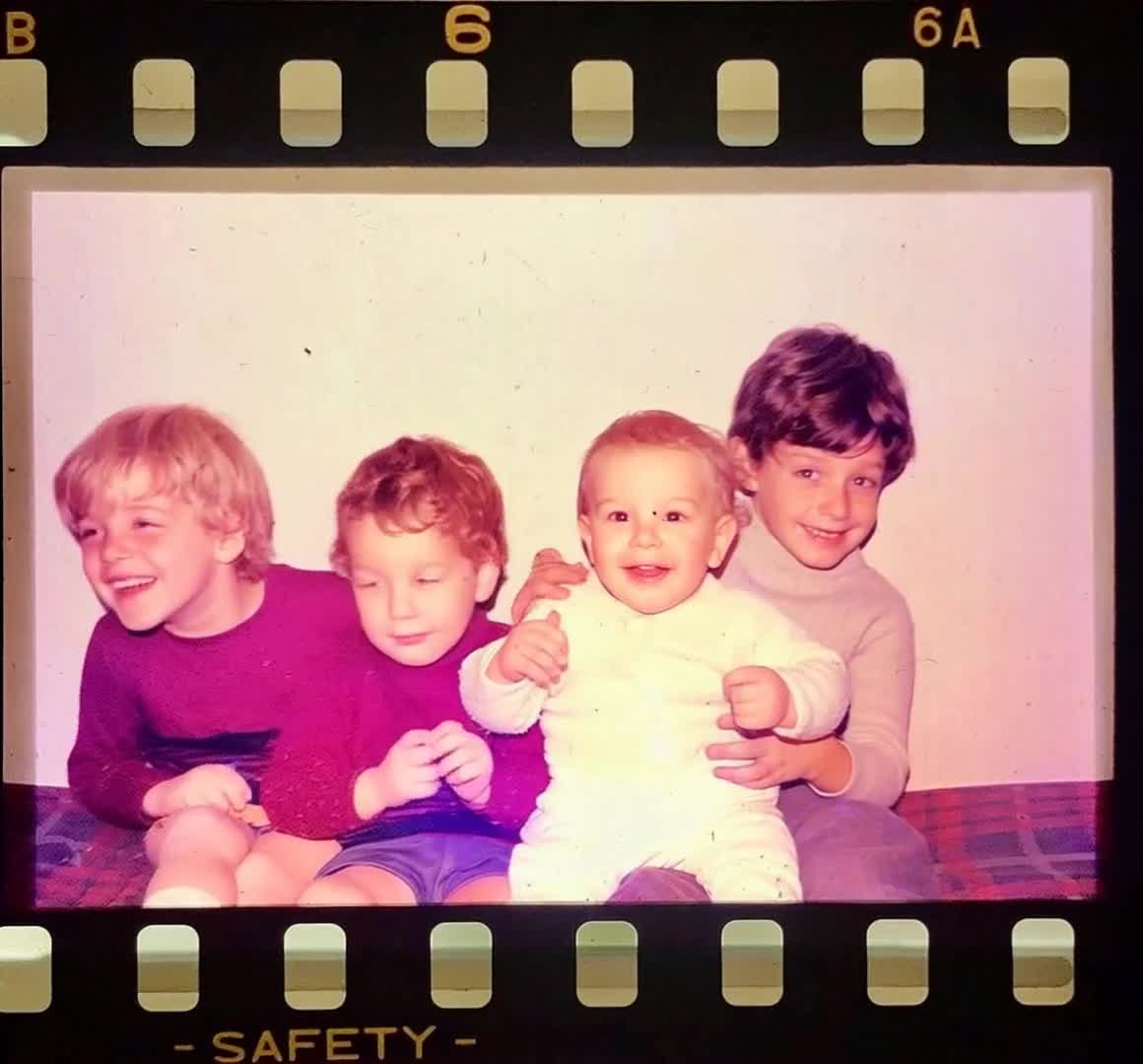
Scan without glare
Scan the print flat or photograph it evenly lit. Crop scanner edges and frames so the model focuses on the photograph.
Give a treasured print a little movement: a blink, a breath, a slow camera move.
Start with your scan and keep the motion small. The goal is to preserve the person, grain, and atmosphere you recognize; AI motion may need a few attempts.
A clean scan and a small motion request are a better starting point than an elaborate scene.
Scan the print flat or photograph it evenly lit. Crop scanner edges and frames so the model focuses on the photograph.
Begin with breathing or a blink. Avoid large head turns when the scan does not show the sides of the face.
Watch the eyes, mouth, and hands. If details drift, simplify the prompt and try a shorter or subtler movement.
A monochrome photo does not need colorization to move. Ask to preserve the grain and original lighting. If you restore severe damage first, compare the restored face with the original before animating.
A visible face, a stable pose, even exposure, and enough detail to distinguish eyes and mouth.
Deep scratches across facial features, reflective glass, overlapping prints, or a request for a wide smile on a heavily blurred face.
For a single portrait, a blink can be enough. For several people, use a still camera and shared subtle motion rather than different gestures for each face.
Subtle natural blinking and breathing. Preserve facial features, film grain, and the original pose. Keep the camera still.
Try this prompt: Suggested motion: still portraitVery slow camera push-in on the original photograph. Preserve every face, the monochrome tones, and the background. Minimal subject movement.
Try this prompt: Suggested motion: gentle camera moveNo. You can animate a black-and-white or faded color photo. Ask to preserve its existing colors and texture.
It cannot reliably recover details that are not present. Start from the clearest scan available and do not treat generated details as historical evidence.
Large expressions and turns require the model to invent unseen details. Reduce movement and use a clearer source photo; results still vary.
Upload your scan, choose a gentle motion, and see the generation cost before continuing.